Raven Embroidery Design Review
A Subtle, Sophisticated Statement for Boutique Apparel
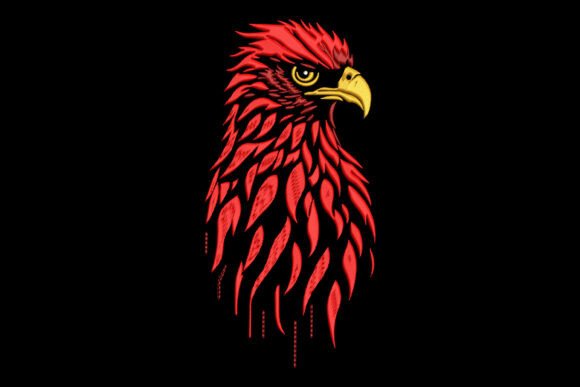
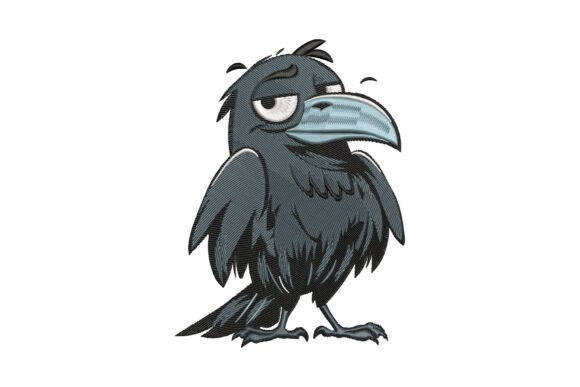
As an embroidery designer who’s developed collections for small clothing brands and Etsy sellers over the past decade, my first impression of Raven was immediate: it’s quietly confident—not loud, not fussy, but unmistakably intentional. This isn’t a cartoon bird or a hyper-detailed ornithological study. It’s a refined silhouette with gentle curves, soft wing contours, and just enough interior stitch definition to suggest texture without overwhelming the fabric. The mood is calm, slightly poetic—think midnight charm rather than gothic drama. It reads as premium but approachable, timeless but not stiff. For boutique apparel, that balance is gold.
How Raven Performs Across Real Apparel Projects
I tested Raven across several garment types I regularly use for client collections: neutral heather sweatshirts, oatmeal hoodies, charcoal denim jackets, ivory cotton tees, and heavyweight canvas totes. On each, it held its own—not shouting, but anchoring the piece with quiet intentionality.
- Sweatshirt embroidery: Placed left-chest on a medium-weight fleece sweatshirt, Raven read cleanly at ~3.5" wide. The stitch density felt balanced—no puckering, no thread buildup—even after washing a test sample. No need for heavy cutaway; medium-weight tear-away + light iron-on stabilizer did the job.
- Hoodie design options: Chest placement works beautifully, but I also tried it subtly on the sleeve cuff (scaled to 2")—a detail that elevated a simple hoodie into something editorial and intentional. On oversized hoodies, it holds visual weight without competing with volume.
- T-shirt embroidery: On 100% cotton tees, especially lighter weights, I recommend testing thread contrast carefully. A deep navy or charcoal thread on cream or blush tees gave rich dimension, while white thread on black tees kept it elegant—not stark.
- Tote bag & lifestyle merch: At 4–4.5", Raven anchors the front panel of a canvas tote without dominating. Paired with minimalist typography in product photos, it reinforced brand cohesion across social media graphics and printable mockups.
- Seasonal & cozy layers: On cable-knit cardigans and sherpa-lined hoodies, the clean lines of Raven provided visual relief against textured fabric—making it ideal for fall/winter capsule collections.
Where Placement & Fabric Matter Most
Raven shines when thoughtfully placed—but it’s not forgiving of rushed execution. Its subtle charm depends on precision. On ribbed fabric (like hoodie cuffs or crew necks), I avoided tight curves and opted for flat panels instead. Stretchy knits required basting spray + stabilizer combo to prevent distortion during stitching. And on dark garments, I double-checked thread sheen—matte poly worked better than high-gloss rayon for maintaining its understated tone.
One note: the design includes fine interior details (feather hints, beak contour). Those hold up well on stable fabrics like midweight cotton or twill—but I’d avoid scaling Raven below 2.5" for commercial embroidery, especially on fleece or brushed fabrics where stitch clarity can blur.
Building Brand Identity, One Stitch at a Time
For small shop owners and handmade product creators, consistency is currency. Raven functions as a versatile signature motif—it doesn’t scream “bird lover” or “nature brand.” Instead, it whispers craftsmanship, intention, and quiet confidence. When repeated across sweatshirts, tote bags, and even packaging tags, it builds recognition without repetition fatigue.
I’ve seen Etsy sellers use designs like Raven to unify seasonal drops—pairing it with a single custom font and consistent thread palette across all items. That visual rhythm increases buyer trust: customers begin to associate that silhouette with quality construction and thoughtful curation. It also photographs exceptionally well in natural light, which matters for scroll-stopping lifestyle product photos and Instagram carousels.
Practical Designer Notes Before You Stitch
Before adding Raven to your next production run, here’s what I always do:
- Test on scrap fabric that matches your final garment—especially if using fleece, ribbed knit, or performance blends.
- Confirm hoop size compatibility. If your machine requires re-hooping mid-design, check whether Raven’s layout supports clean transitions.
- Review stitch density visually in your embroidery software—if it looks overly dense in feather areas, consider slight underlay adjustment for breathability on apparel.
- Compare thread color options against your base fabric under both daylight and indoor lighting. Small shifts in hue affect perceived warmth or sophistication.
- Inspect Creative Fabrica product details thoroughly: confirm file formats included (PES, DST, JEF, etc.), recommended stabilizer type, and most importantly—review licensing terms before selling finished apparel. Commercial embroidery rights are essential for boutique brands and Etsy sellers.
Why Raven Fits the Modern Creative Workflow
In a market saturated with maximalist motifs and trending clipart, Raven stands out by doing less—and doing it well. It’s not a filler design. It’s a considered choice for designers who value restraint, versatility, and tactile authenticity. Whether you’re building a small batch hoodie line, launching a curated capsule collection, or expanding your digital embroidery file offerings, Raven adds quiet authority without demanding attention.
It bridges categories effortlessly: Birds meets Embroidery meets modern apparel sensibility. And because it avoids trend-driven clichés, it won’t date your inventory next season. For Creative Fabrica users building long-term brand equity—not just one-off projects—Raven is the kind of machine embroidery design that earns repeat use, repeat customers, and repeat confidence in your creative judgment.